Dead
or Alive

REVIEW: The
first iteration of Dead or Alive was released in arcades in 1996. The 3D
fighter utilized Sega's Model 2 arcade board and was the first time Sega licensed their
hardware to a third-party-company (in this case, Tecmo). At first glance, DOA
definitely resembled Sega's
Virtua
Fighter 2 in more ways than one, presenting a roster of 8 selectable martial artists.
Dead or
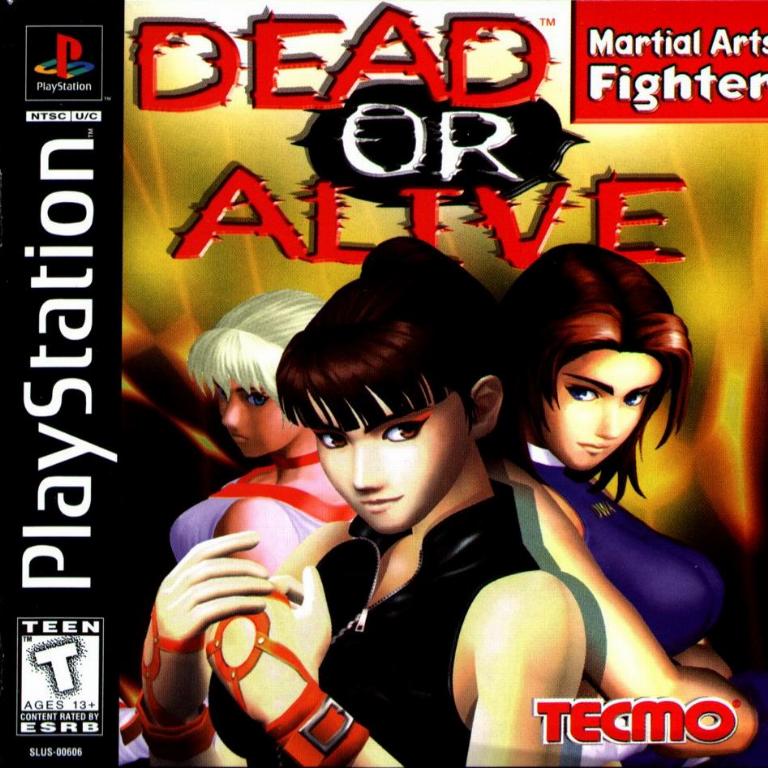
Alive was later ported to the Sega Saturn only in Japan, and in 1998, a
version of DOA hit the Sony PlayStation. The PS1 version featured many differences
over the other versions, including
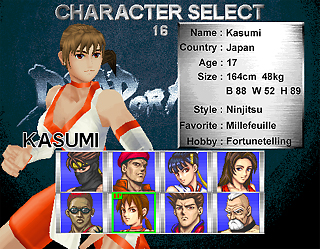
reworked graphics, new moves and also a TON of unlockables: 84
character costumes, to be exact!
|
|
|
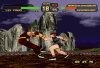
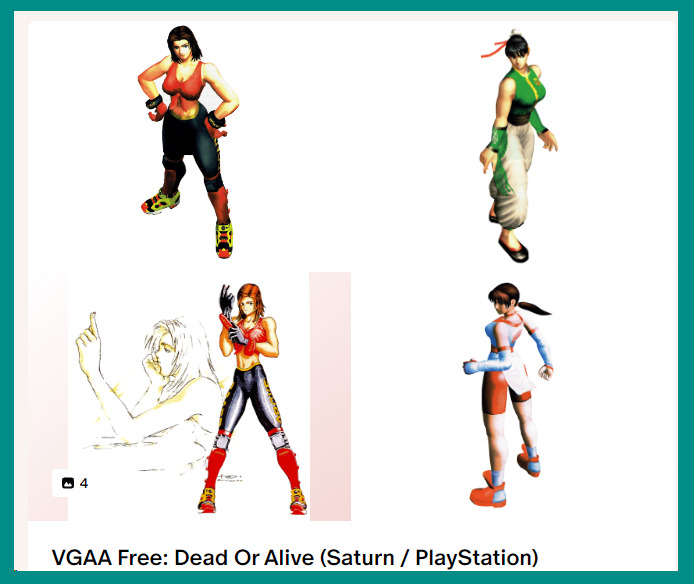
DOA
began with only
3 females... boy, did that change.
|
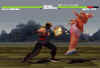
At the time of its debut, DOA's gameplay
engine is definitely most comparable to Sega's Virtua Fighter series,
utilizing only 3 buttons (punch, kick
and hold). However, DOA is a considerably faster game than Virtua Fighter and
relies more on simplistic commands
and reaction time. DOA's gameplay system features a reversal system,
enabling players to easily counter their opponent's moves (later to become a
trademark gameplay element of the series). DOA's
countering system was the first to utilize different
commands that corresponded to each type of attack.
|
|
|
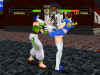
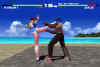
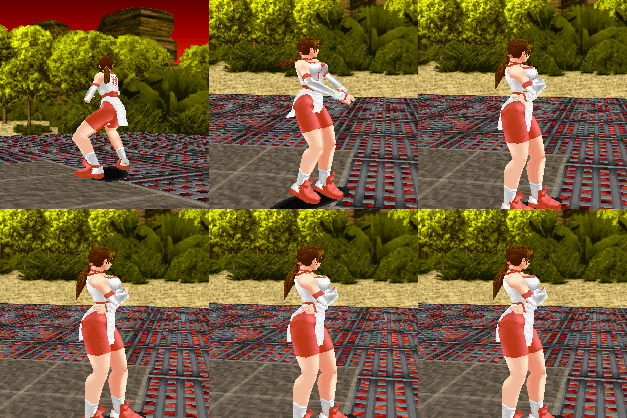
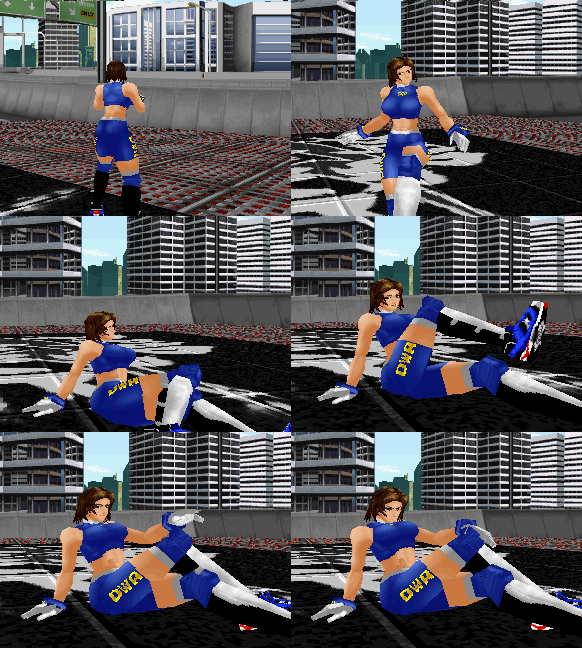
DOA didn't
invent breast jiggle physics... but the series became known for it.
|
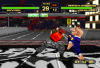
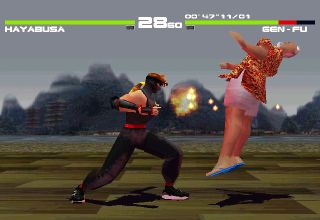
The other unique (and
somewhat odd) aspect gameplay element introduced by DOA is the "Danger Zone," which
surround the outer edges of the fighting arena. When a character comes in
contact with the danger zone, they are sent flying into the air (creating an
easy combo opportunity for skilled players). As a 3D fighting game fan, I'd say the main
flaw of DOA's gameplay is the lack of a sidestep mechanic (which was
becoming a staple feature in other 3D fighters).
|
|
|
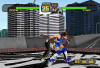
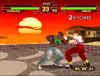
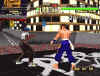
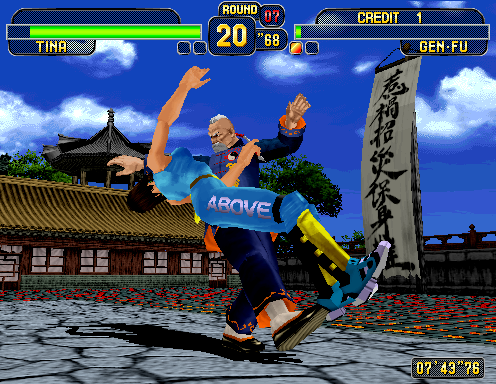
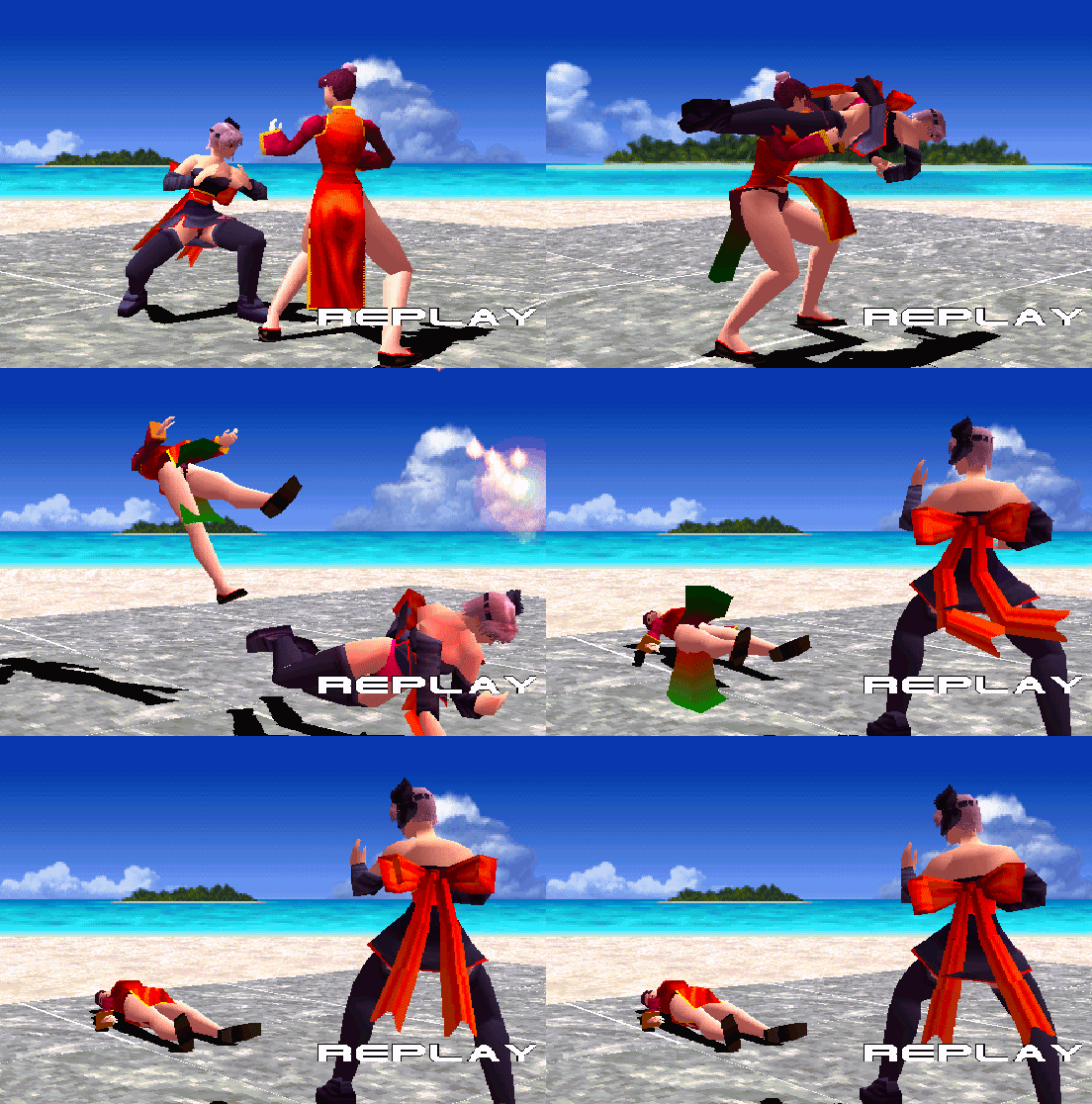
Ayane
learned the Cannon Drill from Cammy?
|
Dead or Alive quickly became known for
its exaggerated "breast jiggle physics" on the
female characters. The animation was a bit over-the-top and unrealistic, but it
seemed to give the game a humorous touch and something to remember it by.
Breasts even continue to jiggle when you pause the game.  Funny stuff! As you probably know, the breast jiggle would become a trademark of the DOA
series, right along with having many female combatants.
Funny stuff! As you probably know, the breast jiggle would become a trademark of the DOA
series, right along with having many female combatants.
|
|
|
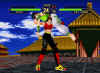
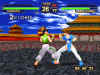
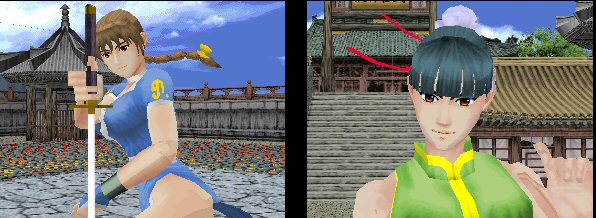
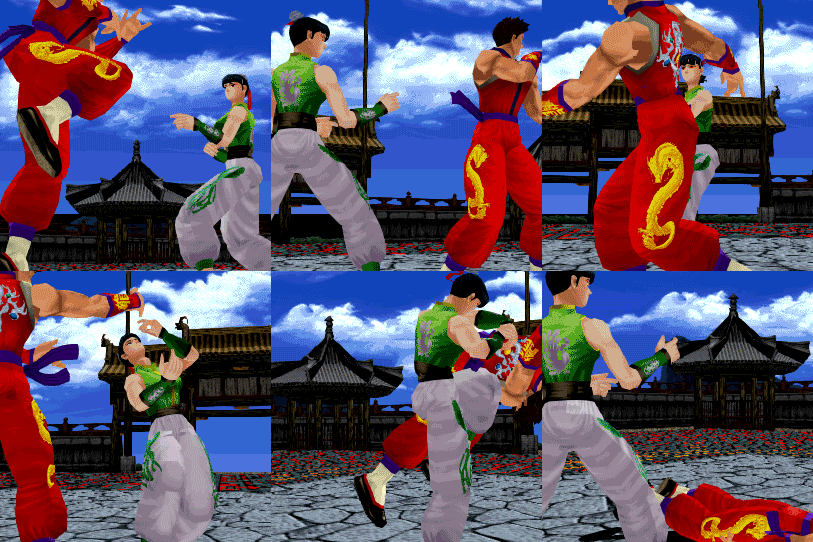
Part
of DOA1's intro
featuring Lei Fang & Jann Lee.
|
Overall, character designs of the original DOA
aren't terrible and look like they'd fit right into your typical 90s martial
arts movie. However, the cast definitely
lacked originality and excitement when compared to other fighting game rosters
of the era. In a nutshell, character personalities and
overall fighting styles were a bit dry and underdeveloped. However, they
definitely had potential and evolved quite nicely in future sequels like DOA2
and DOA3.
|
|

| Page Updated: |
April
10th, 2026 |
| Developer(s): |
Team Ninja |
| Publisher(s): |
Tecmo |
| Designer(s): |
Tomonobu Itagaki |
| Platform(s): |
Arcade, Sega Saturn,
PlayStation
|
| Release Date(s): |
1996
Arcade
Oct. 9th, 1997
 Saturn Saturn
Mar. 12th, 1998
PS1
Mar. 31st, 1998
 PS1 PS1 |
| Characters: |
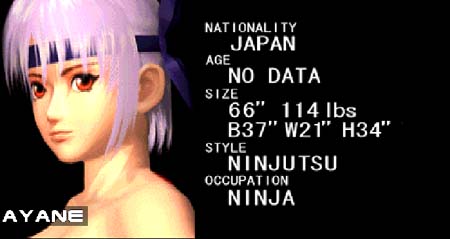
Kasumi, Ayane, Lei
Fang, Tina Armstrong,
Bass Armstrong, Zack,
Hayabusa,
Gen
Fu, Jann Lee, Bayman,
Raidou |
|
|
|
Featured Video:
|
|
|
| Related Games: |
Dead
or Alive 2, Dead or Alive 2: Hardcore, Dead
or Alive 3, Dead or Alive 4, Dead
or Alive 5, Dead or Alive 5: Ultimate, Dead
or Alive: Dimensions,
Dead or Alive 6, Virtua Fighter, Virtua
Fighter Remix, Virtua
Fighter 2, Fighters Megamix, Last
Bronx, Mace: The Dark Age, Star
Gladiator, Toshinden 2, Soul
Blade, Tekken 3, Tobal
No. 1 |
|

|
|
Gameplay
Engine
|
7.5 / 10
|
|
Story
/ Theme
|
6.0 / 10
|
|
Overall
Graphics
|
9.0 / 10
|
|
Animation
|
7.5 / 10
|
|
Music
/ Sound Effects
|
4.5 / 10
|
|
Innovation
|
7.0 / 10
|
|
Art Direction
|
5.0 / 10
|
|
Customization
|
9.0 / 10
|
|
Options / Extras
|
8.5 / 10
|
|
Intro / Presentation
|
6.5 / 10
|
|
Replayability / Fun
|
7.0 / 10
|
|
"Ouch" Factor
|
7.5 / 10
|
|
Characters
|
6.0 / 10
|
|
BOTTOM LINE
|
7.2
/
10
|
|
Review based on PS1 version
|
|
| Final
Words: |
Team Ninja made
a statement in the fighting genre with the original DOA. While the game
wasn't very popular or widely known (mainly due to lack of advertising and name
recognition), 3D
fighting game fans found an interesting alternative to the likes of Virtua
Fighter, TEKKEN and Soul
Blade if they stumbled upon the original Dead or Alive in an arcade
or home console. I found the PS1 version of DOA pretty fun for a while,
but something still felt like it was missing.
The unlockable costumes of the PS1 version definitely added some replay value at least... no doubt "84
character costumes" was impressive for the time and maybe even left an imprint in the minds of players. Other
than that, DOA1 was lacking in a few ways. The presentation, music, and
character roster seemed to lack excitement and legitimacy. DOA had some
tough competition at the time, so that's understandable. However, DOA was an
important stepping stone in what would become one of the major franchises in the next
generation of
3D fighters. DOA2 was a stunner!
~TFG Webmaster | @Fighters_Gen
|
|
|
|
|
|
|
|
|
|
|
|
|
|
|
 View more
products at
View more
products at